
Sustainable Knitwear Guides
Everything we know about the fibers we knit with, how the garments are made, and how to build a wardrobe you actually wear.
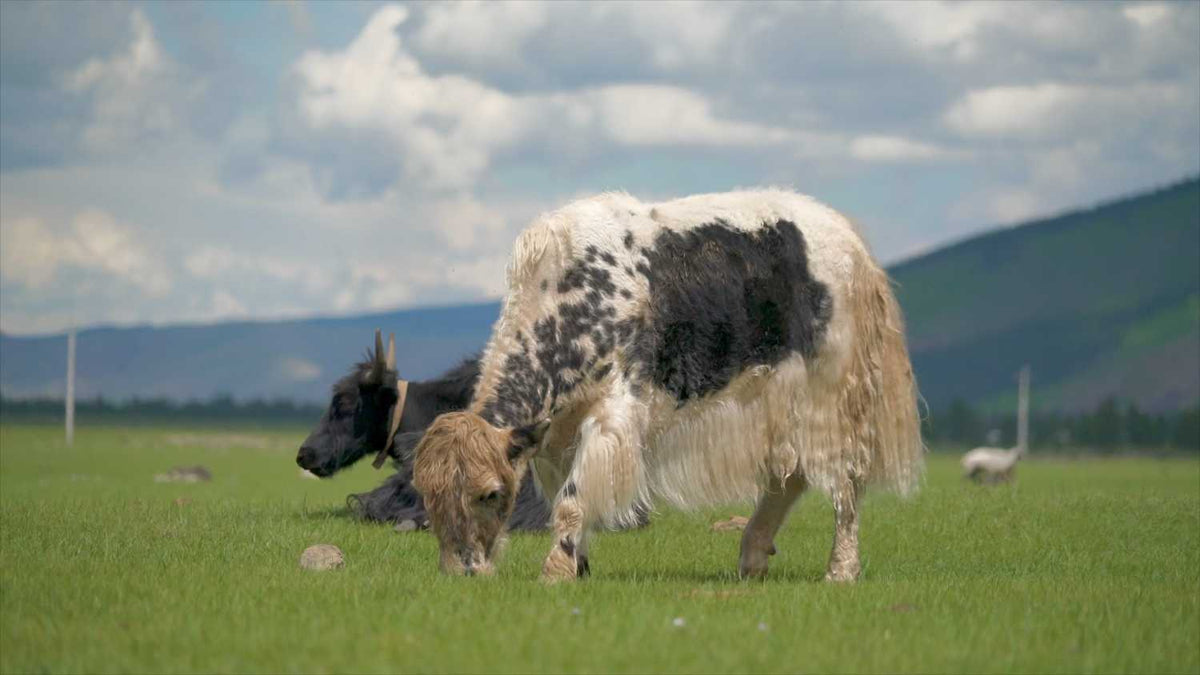
Yak Wool: The Ultimate Guide
Yak wool, or khullu, is the fine down that is as soft as Grade A cashmere, warm enough for a Himalayan winter, and combed out by hand every spring.
Covers: All-Season Sweaters, Is It Itchy?, Why It Is Rare, Combing The Fiber, Types Of Yak Fiber.
Read the guide
SeaCell: The Ultimate Guide
What SeaCell is, where its Icelandic seaweed and eucalyptus come from, how the closed-loop lyocell process works, and how it compares to cotton.
Covers: Summer Sweaters, What Is SeaCell?, Lyocell Explained, How It Is Made, Harvesting Seaweed.
Read the guide
Merino Wool: The Ultimate Guide
Merino wool explained: what it is, how fine it measures, where the best comes from, and why Oliver Charles knits RWS-certified American merino.
Covers: American-Made Merino, Where Ours Comes From, What Merino Wool Is, Merino Sheep 101, How It Is Harvested.
Read the guide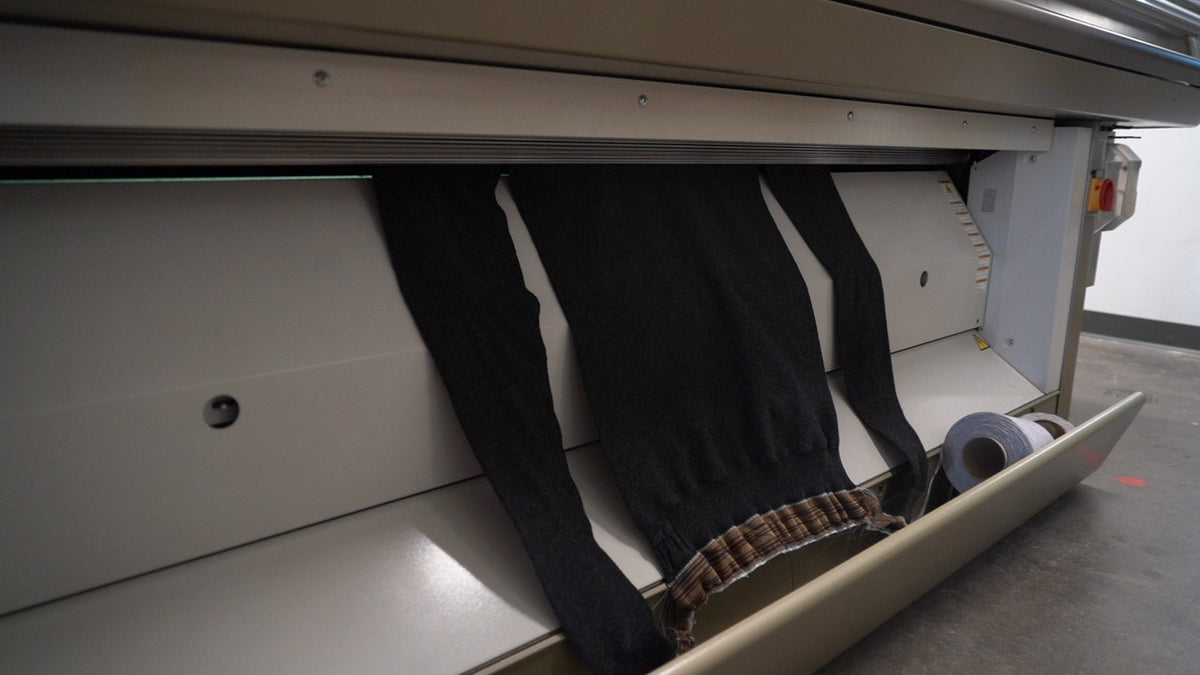
3D-Knitting: The Ultimate Guide
3D-knitting makes a whole sweater in one piece on a four-bed machine: no seams, no cutting, and 99% of the material ends up in the finished garment.
Covers: Why Use It, Who Invented It, The Alternatives, Cut-And-Sew, Flatbed Knitting.
Read the guide
Capsule Wardrobes: The Ultimate Guide
What a capsule wardrobe is, how to build one with the 333, 5-4-3-2-1 and 10x10 methods, plus a full clothing checklist and a closet audit to start from.
Covers: The Different Types, Benefits, The Checklist, What Doesn’t Count, The 90-90 Rule.
Read the guideHow To Choose A Fiber
All three make a good sweater, so the question is not which fiber is best. It is which one suits the way you will actually wear it. Three questions settle it.
| Fiber | What it is | Best for |
|---|---|---|
| Yak wool (khullu) | The soft undercoat of a Himalayan yak. | Cold weather, and travel where washing is hard. |
| SeaCell | Lyocell spun from Icelandic seaweed and FSC-certified eucalyptus in a closed-loop process. | Warm weather, and layering through spring and summer. |
| Merino wool | The wool the industry treats as its benchmark for quality, from merino sheep. | Year-round wear, on its own or blended. |
What season are you dressing for?
This is the one that decides it for most people. Yak wool is the cold-weather fiber: khullu is the down a yak grows to survive winter at 15,000 to 20,000 feet, so it holds heat at a weight that does not feel like an overcoat. SeaCell is the warm-weather one, cool and breathable in the heat. Merino wool sits between them, warm enough for a cool evening and light enough for a mild day.
How often do you want to wash it?
Wool is worth choosing partly because you wash it less. It resists odor, so a sweater goes many more wears between washes than a polyester top or a cotton shirt, and that is also the answer for travel.
Do you want one sweater, or a wardrobe?
If you are replacing a drawer full of things you do not wear, the fiber matters less than the plan. The capsule wardrobe guide covers that plan, starting with an audit of what you already own.
Whichever fiber you land on, the construction is the same. Every sweater is knit in one piece rather than cut from fabric and sewn together, which is what removes the seams a sweater usually fails at. The 3D-knitting guide explains how.
Sustainable Knitwear FAQ
Which fiber is the warmest?
Yak wool. Khullu is around 40% warmer than sheep’s wool at the same weight, because its tightly crimped fibers trap more air, and trapped air is what keeps you warm. It also means a yak sweater can be lighter than a sheep’s wool one and still hold its heat. The yak wool guide covers where the fiber comes from and how it is collected.
Which fiber is best for summer?
SeaCell. It is what we knit our warm-weather sweaters from, and the mill recovers and reuses almost everything it spins with, so very little leaves the process. The SeaCell guide follows it from the seaweed harvest to the yarn.
What is 3D-knitting?
Knitting a finished sweater straight from yarn, shaped on the machine as it goes, so there are no panels to cut and no seams to sew. Knitting to shape uses nearly all of the yarn, where cutting panels from fabric throws away about 30% of it. The 3D-knitting guide walks through the factory step by step.
Are these sweaters machine washable?
Most of them, yes. Our Summer and All-Season Sweaters are machine washable, and our Winter Sweaters should be hand washed. The yak wool guide and our guide to caring for wool cover washing in full.
How many sweaters does a capsule wardrobe need?
Fewer than most closets hold. What matters is that the pieces work together, and most people find they own more than they wear. The capsule wardrobe guide’s 90-90 rule is a quick way to decide what stays.
One sweater, worn all year, knit in one piece by Oliver Charles.
Shop Sweaters